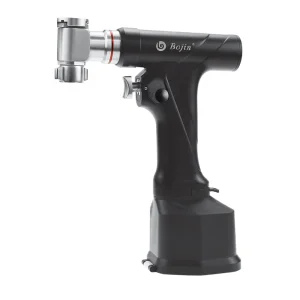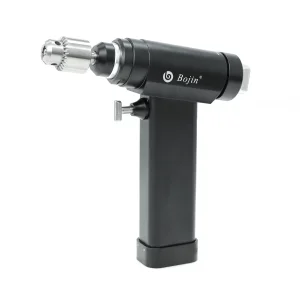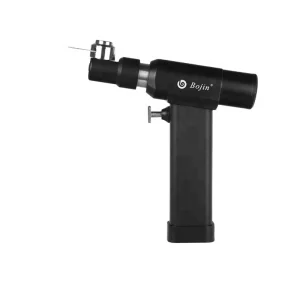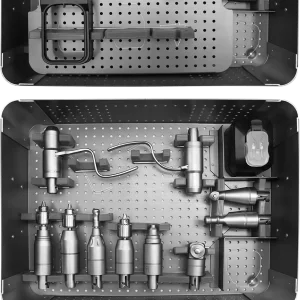
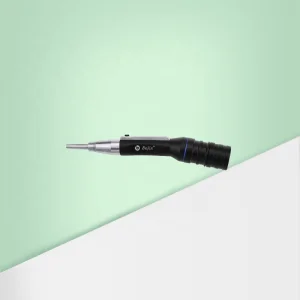
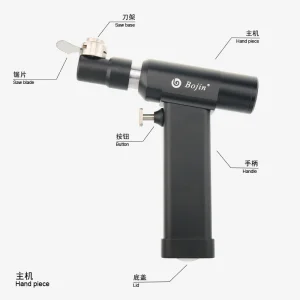
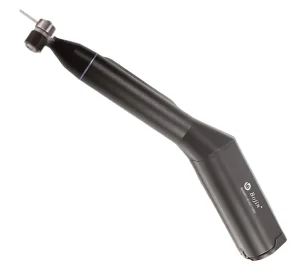
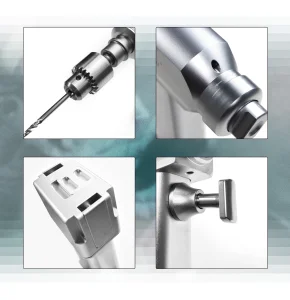
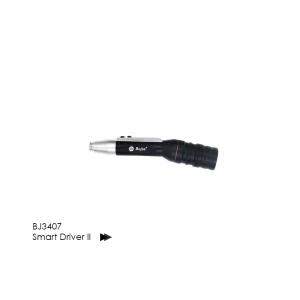
Global procurement teams operating within the orthopedic, neurosurgical, and dental hardware industries navigate a landscape characterized by extreme risk-mitigation. Sourcing critical electromechanical assemblies—ranging from smart screwdriver motors to orthopedic high-speed rotary assemblies—demands more than standard product line sheets. It requires deep integration capability across electrical engineering, hermetic sealing, thermal efficiency, and mechanical durability.
In modern surgical tool design, the components must withstand demanding environmental stressors such as autoclave sterilization (reaching up to 134.8°C at saturated steam pressure for 18-minute cycles) and high mechanical torsion. When choosing an OEM/ODM supplier, organizations must evaluate standard engineering outputs alongside structural component traceabilities, dynamic motor tuning capabilities, and customized battery chemistry management systems.
• Dynamic Torque-to-Weight Optimization (minimizing practitioner fatigue)
• Brushless DC (BLDC) Motor Driver Integration with low EMF signatures
• Ingress Protection Ratings exceeding IPX7 / IPX8 for bodily fluids intrusion prevention
• Standardized compliance frameworks (IEC 60601-1-2 EMC compatibility)
Our electromechanical builds utilize CNC-machined titanium housings, high-efficiency planetary gearheads, and customized electronic control assemblies optimized for variable speeds up to 100,000 RPM.
Developing lithium-ion power packs with precise thermal monitoring, safety shutoff switches, and integrated battery management systems (BMS) tailored for clean power distribution.
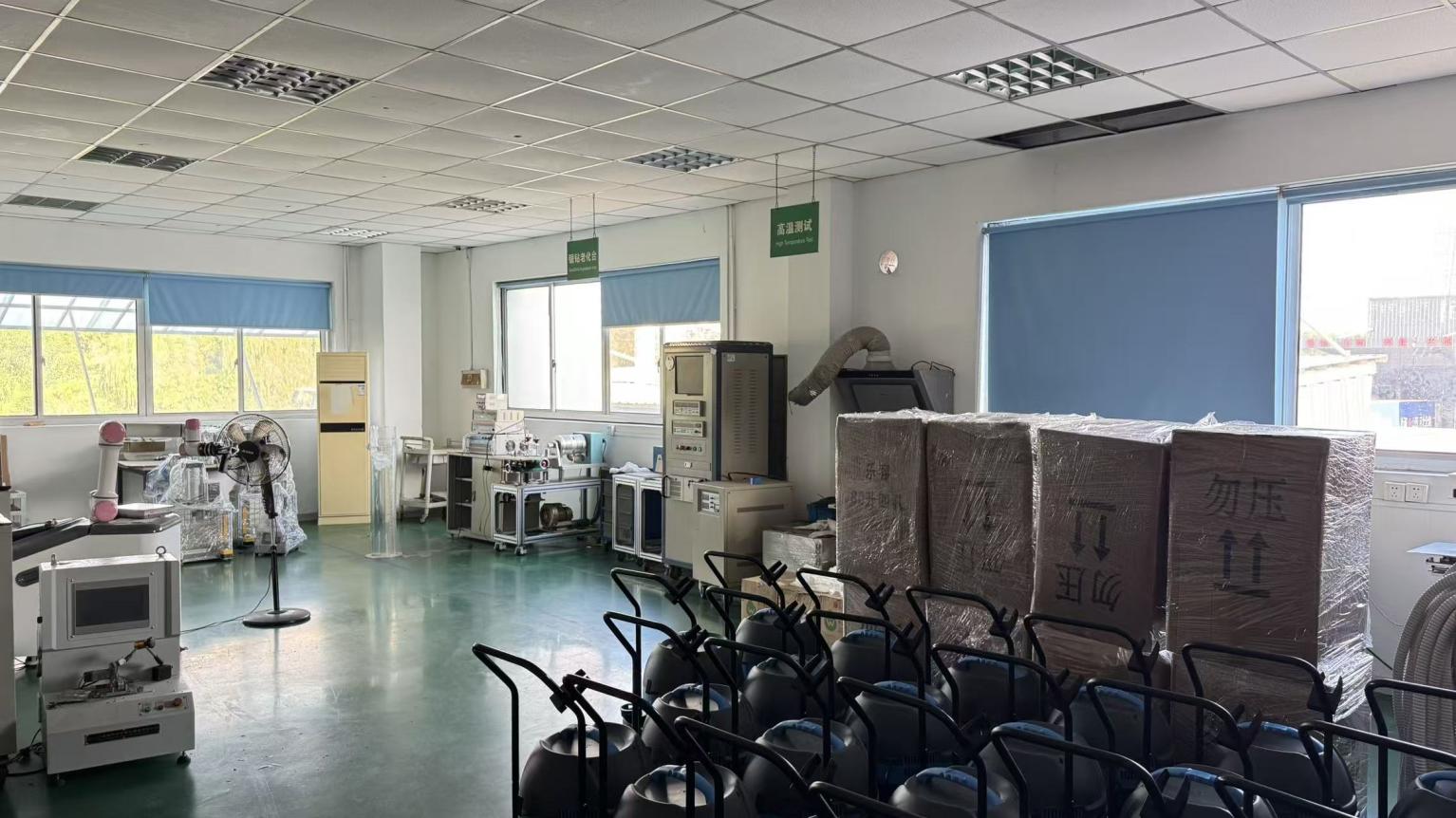
From initial design simulation to raw metallurgical sourcing, component molding, wire EDM machining, and computerized dynamic balance testing, our production ecosystems dramatically reduce cycle times.
Whether processing custom pilot runs for clinical trial components or scaled global assembly orders, our lines support agile tooling swaps without compromising mechanical tolerances.
Being situated inside major engineering hubs provides direct access to high-precision sensor developers, micro-motor winds, and specialty surface finish anodizing plants.
Chinese factories specialize in adapting to complex technical requests, bridging the gap between design engineering and physical manufacturing. By consolidating electrical, software, and mechanical development under one umbrella, our clients experience reduced component mismatch errors, lower cross-border transport overhead, and expedited time-to-market metrics.
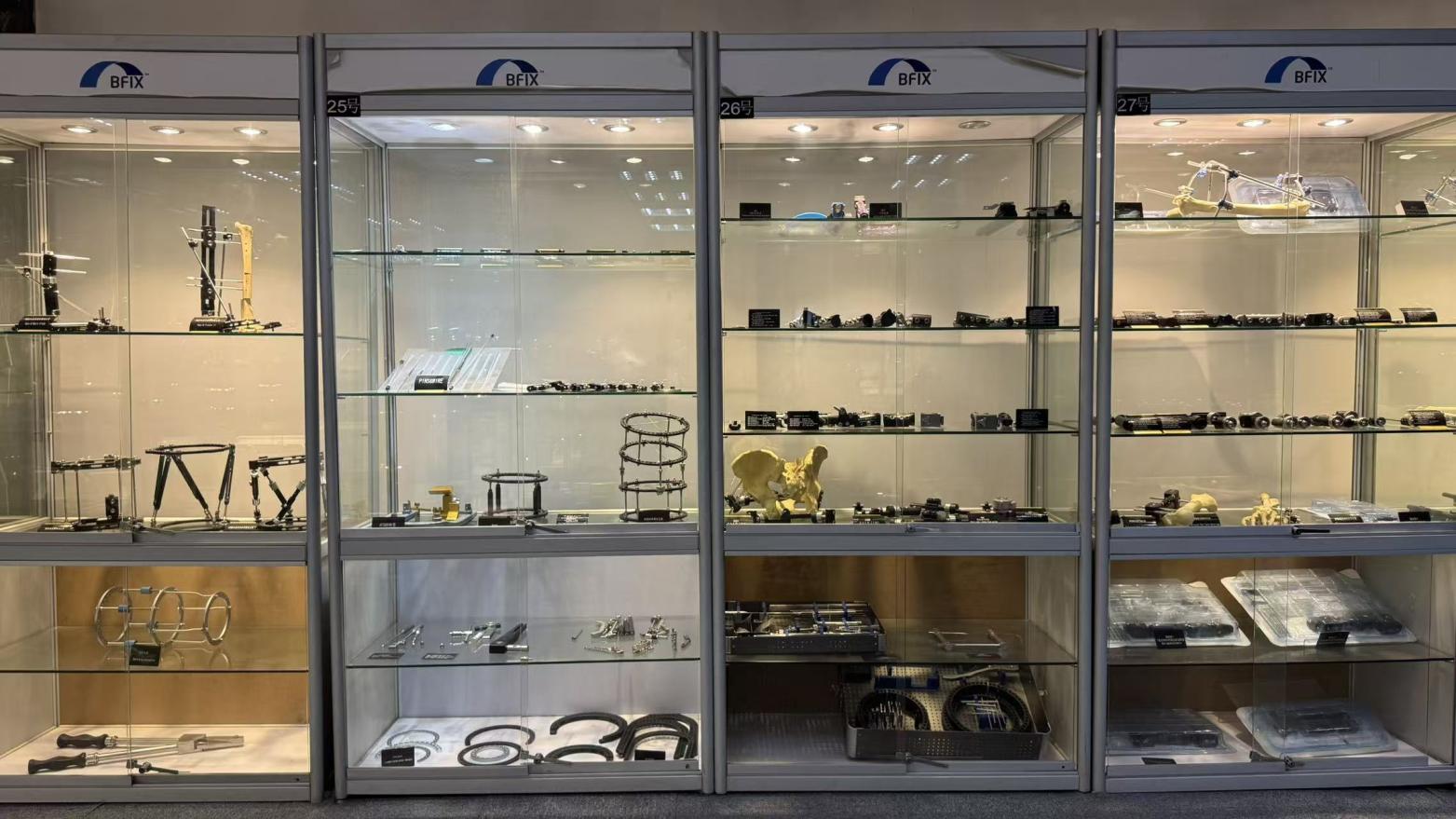
Our mechanical component layouts conform to the most stringent medical-device manufacturing frameworks. Compliance is not an afterthought; it is baked into every fabrication design, engineering blueprint, and material verification report.


Operating under the ISO 13485 medical device quality management standard ensures complete process verification and validation (IQ/OQ/PQ) for all custom assemblies. Each batch of raw titanium alloys or lithium cell units is traceable directly back to the original processing facility.
Under the IEC 60601 electrical safety protocol, all handpiece control boards and charging bases are tested for leakage current, insulation barriers, and electromagnetic compatibility. This guarantees risk-free operation when integrated into clinical and operating theatre environments worldwide.
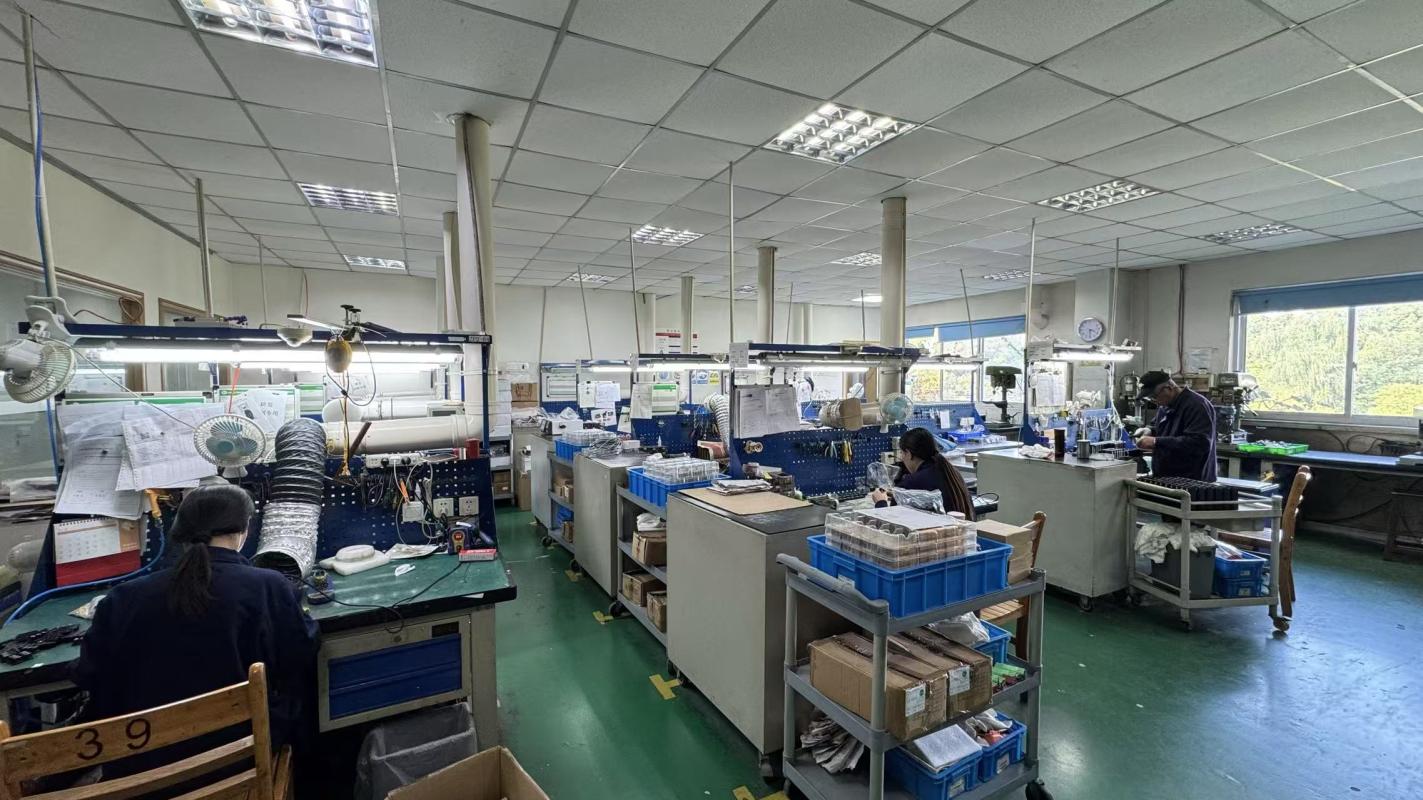
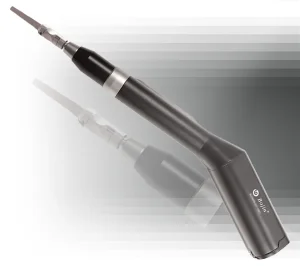
Developing ultra-slim pen-type drivers require miniature BLDC motors with integrated planetary speed reducers. Key design criteria include low thermal profiles to protect delicate soft tissue during high-precision osteotomies.
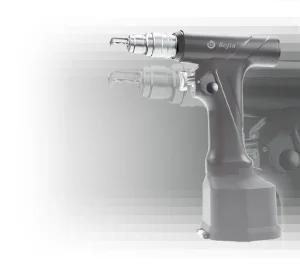
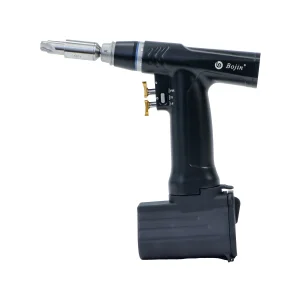
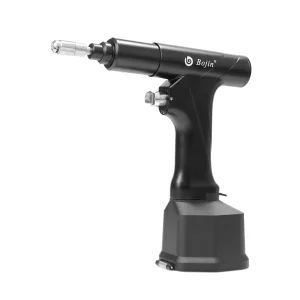
High-torque bone drills and sagittal saws require heavy-duty Li-ion battery integration. Thermal safety sensors prevent overcharging and run-time thermal spikes, while the external casing maintains full autoclave compatibility.
Micro-actuated surgical drilling systems require rapid deceleration features to prevent soft tissue damage once the cranial bone is penetrated. Integrating automatic safety clutches directly inside the transmission head protects patient safety.
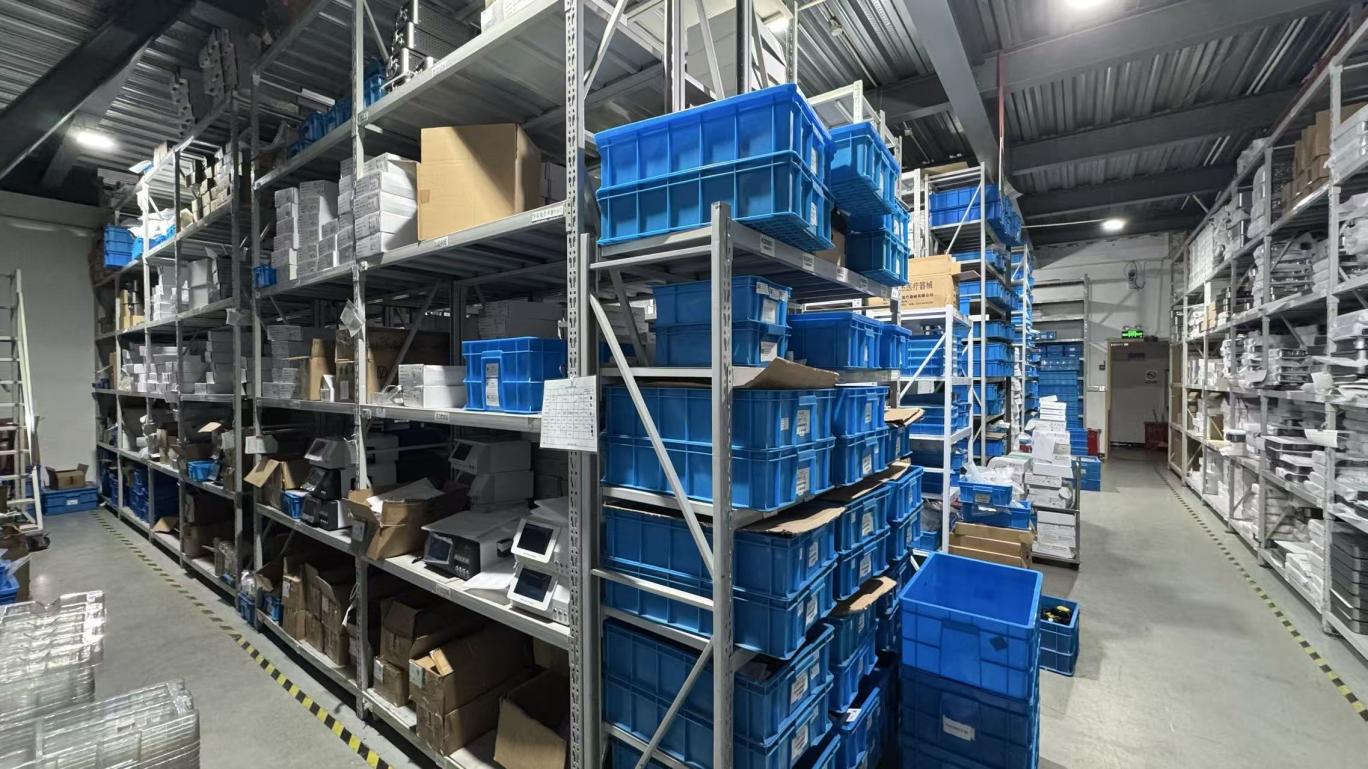
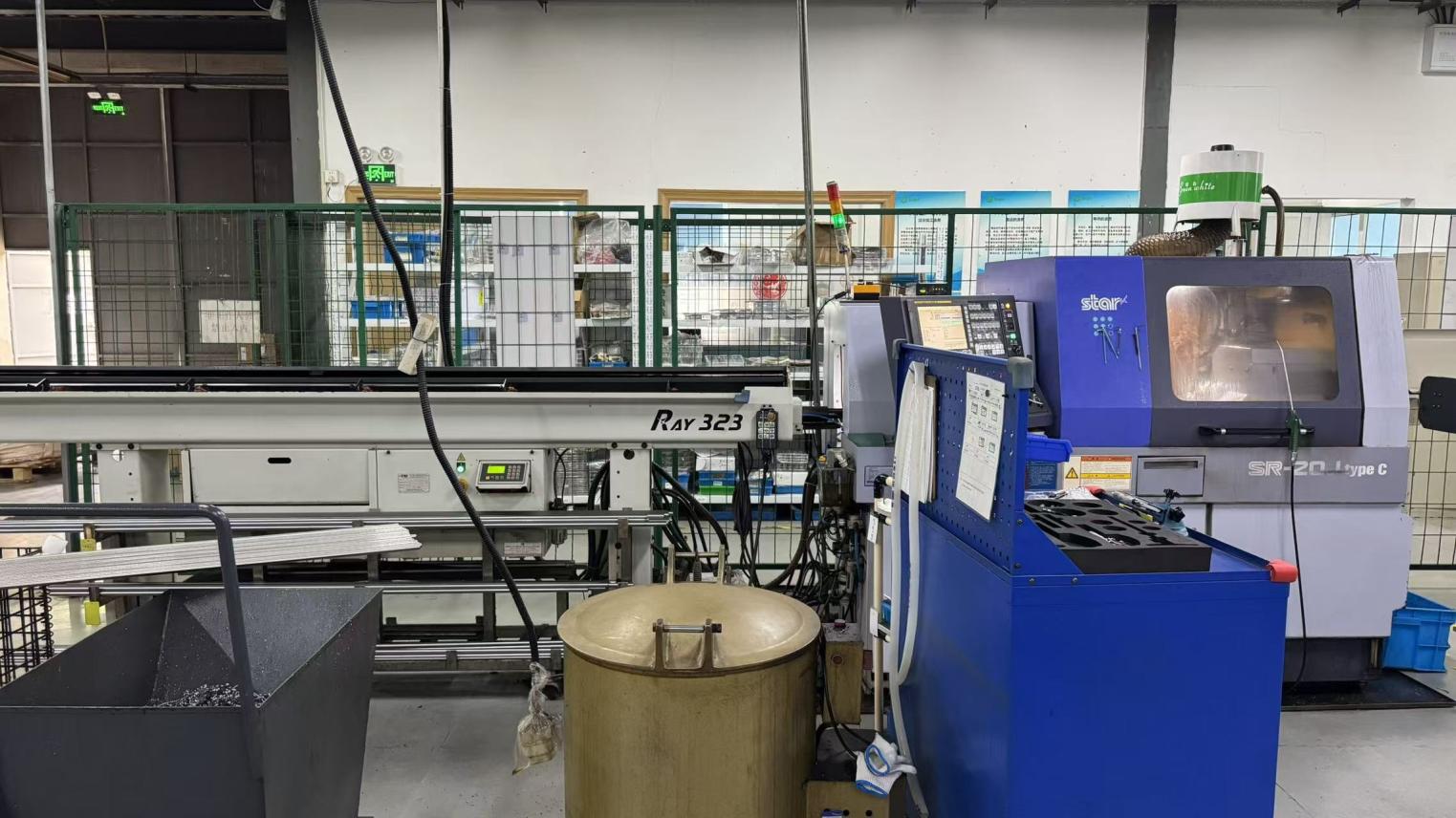
Future orthopedic instrument platforms are moving beyond pure mechanical delivery. AI-driven motor controllers analyze drill feedback in real-time, detecting density changes inside the bone structure. This allows automatic torque regulation to reduce bone necrosis risk during screw insertions.
Replacing traditional heavy metal castings with carbon-reinforced, biocompatible polymers helps lower handpiece weight, improving surgical ergonomics while maintaining high-grade heat and chemical resistance.
To reduce mechanical failures caused by physical pin wear on power terminals, high-end surgical power setups are moving toward localized wireless power transfers. Sealed charging coils integrated into battery frames prevent fluid ingress issues.
With surgical robotic systems seeing wider adoption, there is growing demand for sub-millimeter component integration, low-backlash planetary reducers, and high-frequency communication protocols between handpieces and central robot stations.
 BD Medical